The Historic Rise of Galway United in the 1980s
The 1980s was a defining decade for Galway United, a period where the club laid down the foundations for a legacy that would resonate through the years. Emerging from the shadows of local football, the Tribesmen began to carve out their identity in the League of Ireland, transforming from a regional team to a recognized name on the national stage.
At the start of the decade, Galway United was still finding its feet in the league, having been formed in 1937. However, the arrival of the 1980s ushered in a new era of ambition and determination. Led by the visionary management of the time, the club set its sights on not only competing but thriving within the League of Ireland Premier. The establishment of a professional ethos and a more structured approach to player development enabled the club to attract local talent and develop a competitive squad.
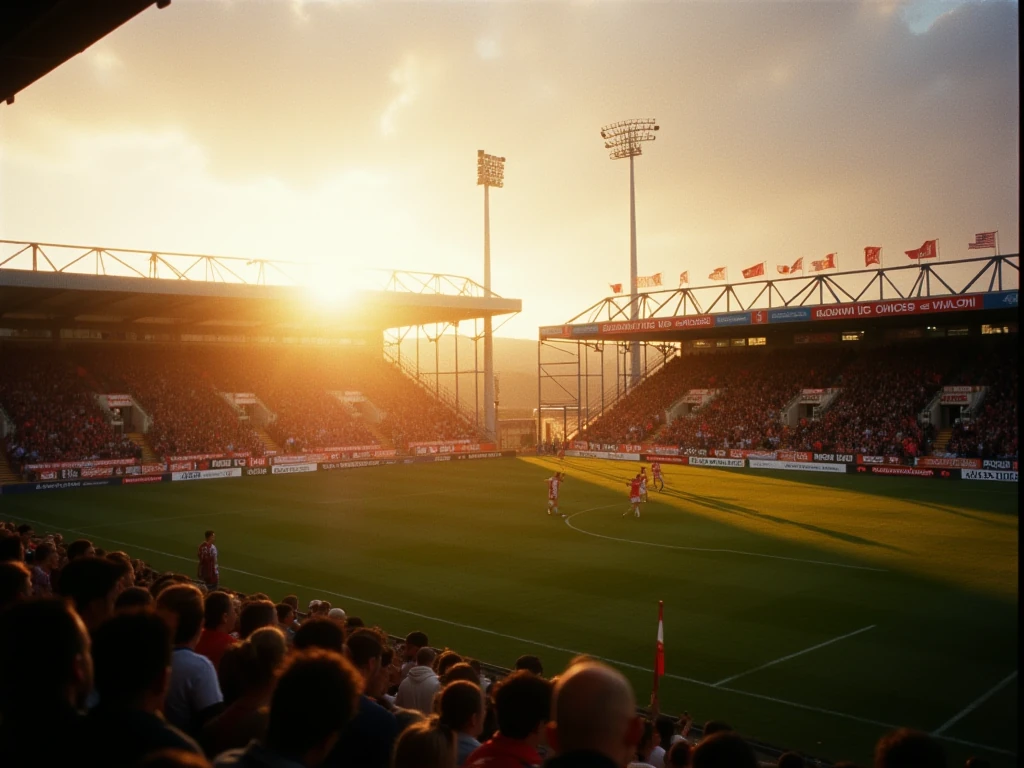
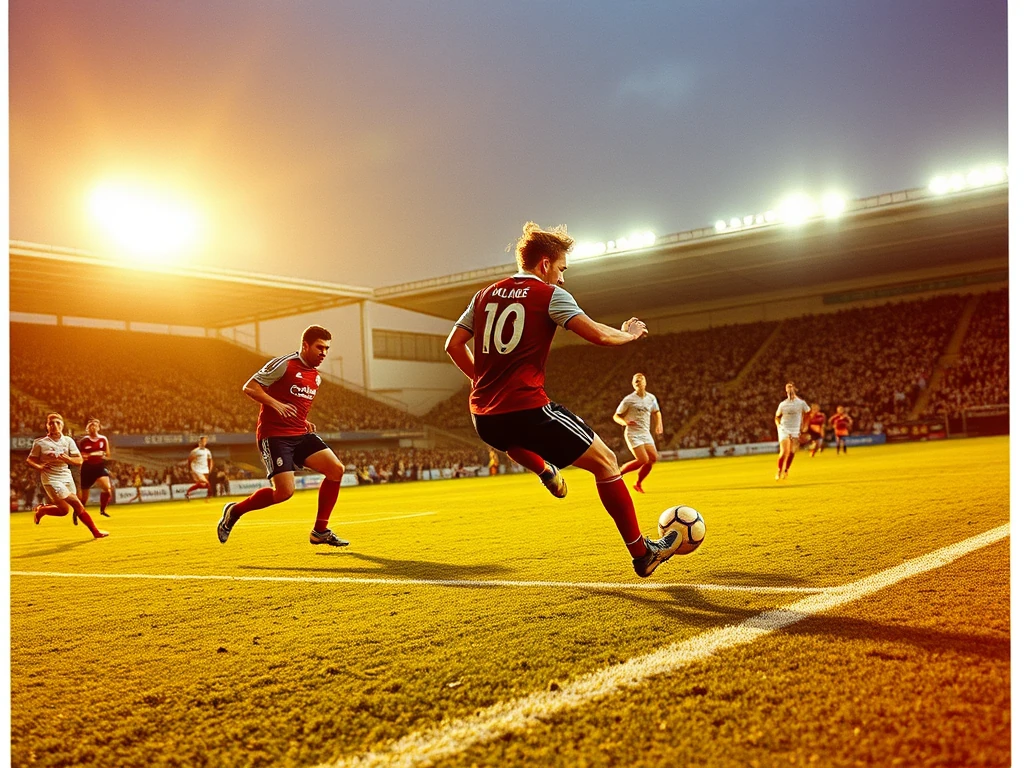
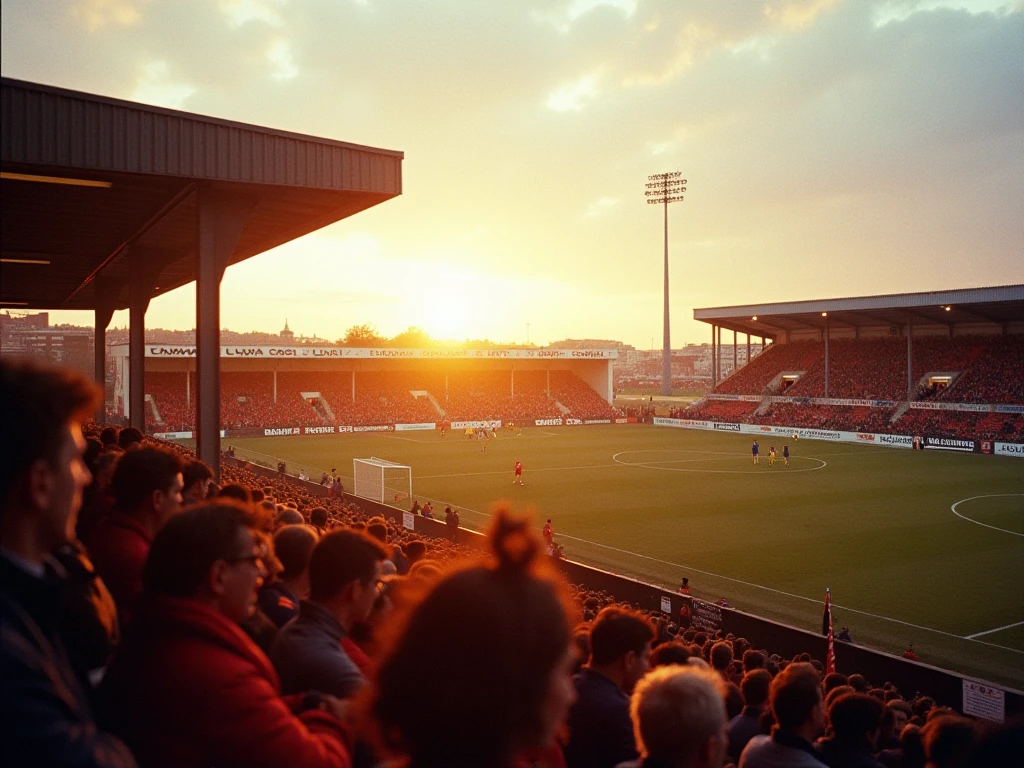
One of the most notable moments during this transformative period occurred in 1985 when Galway United reached the semi-finals of the FAI Cup, a significant achievement that garnered national attention. This run not only showcased the talent within the squad but also sparked a newfound belief among supporters and players alike. The atmosphere at Eamonn Deacy Park was electric, with fans rallying behind the team as they navigated through the knockout stages, defying expectations at every turn.
The semi-final clash against the established giants of the league was a true test of character. Although the team ultimately fell short, the performance epitomized the fighting spirit that would become synonymous with Galway United. Players like the legendary Tony O'Connor and the dynamic forward, Kevin McHugh, emerged as key figures who would go on to inspire future generations of Tribesmen.
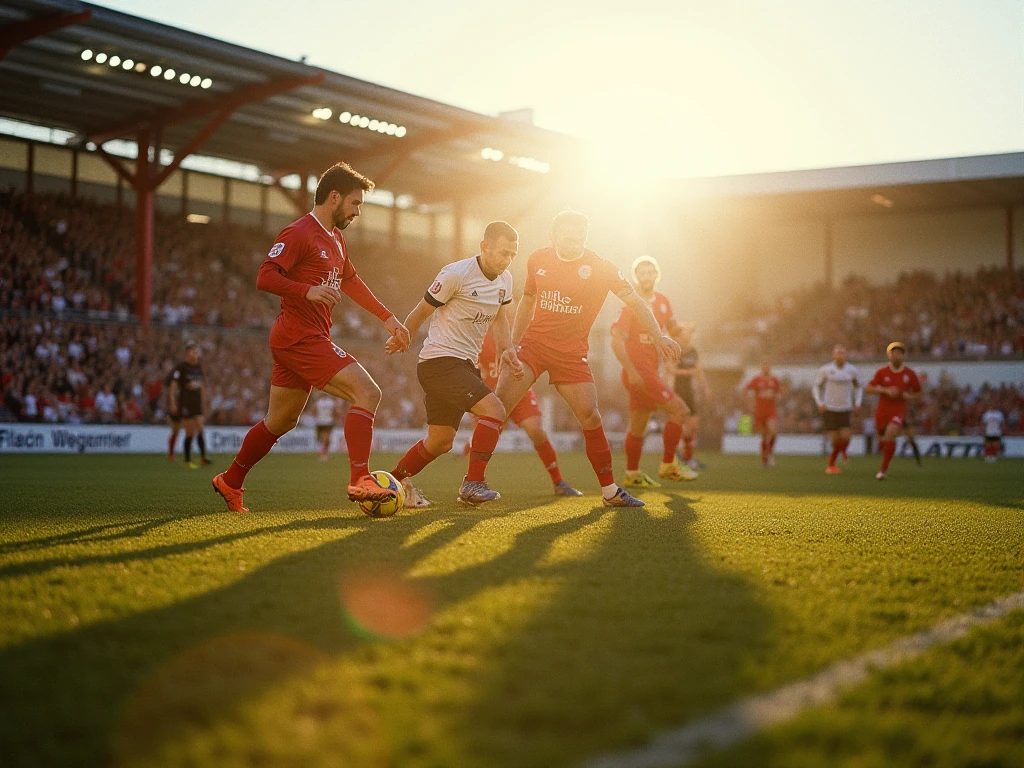
As the decade progressed, Galway United continued to build momentum, finishing in the top half of the league table regularly and establishing fierce rivalries, particularly with Sligo Rovers. The local derby matches became a highlight of the season, drawing large crowds and creating an intense atmosphere, showcasing the growing passion for football in Galway. The rivalry not only defined the club's identity but also galvanized the community around the beautiful game, embedding football deeper into the local culture.
By the end of the 1980s, the groundwork had been laid for what would become a golden era for Galway United. The club's development was evident not just in their performance on the pitch but also in the way they engaged with their supporters and built a sense of belonging within the community. The decade was a turning point, marking the transition from a local team to a club with aspirations of competing at the highest levels of Irish football.
Reflecting on this pivotal decade, it is clear that the 1980s were more than just a series of matches and scores; they were about the birth of a footballing identity that would carry forward into the new millennium. The lessons learned and the foundations built during this time continue to inform Galway United's ambitions today, as they strive to honor the legacy of the past while aiming for a brighter future. The Tribesmen’s journey is a testament to resilience and passion, qualities that remain at the heart of the club’s ethos.